

This month’s “Member Spotlight” features Monika Bridgforth, Executive Director of the Eastern Shore of Virginia Community Foundation. Their mission is centered around “enrich[ing] lives on the Eastern Shore of Virginia by helping individuals, families and organizations fulfill their charitable goals and supporting nonprofit organizations….” Here’s a little bit more about Monika and her work in philanthropy:
As a new funder member, what are you looking forward to the most? What led you to joining the growing network of funders that comprise VFN’s membership? What should other funder members know about you and/or your organization?
I’m the Executive Director of the Eastern Shore of Virginia Community Foundation (ESVCF), serving Accomack and Northampton counties, and I’ve been in this role for two years. I’ve worked in the nonprofit sector for most of my 30+ year career — in settings as different as an international foundation focused on youth development and a local museum — but I’m new to the community foundation world. There’s something very special about being part of a community foundation, and I’ve found that VFN shares that same positive, collaborative, community-centered energy. I learn something new every time I talk with a VFN member! I’ve attended several of the regional Hampton Roads-area meetings and have been inspired by the collective effort to make progress on issues facing our region.

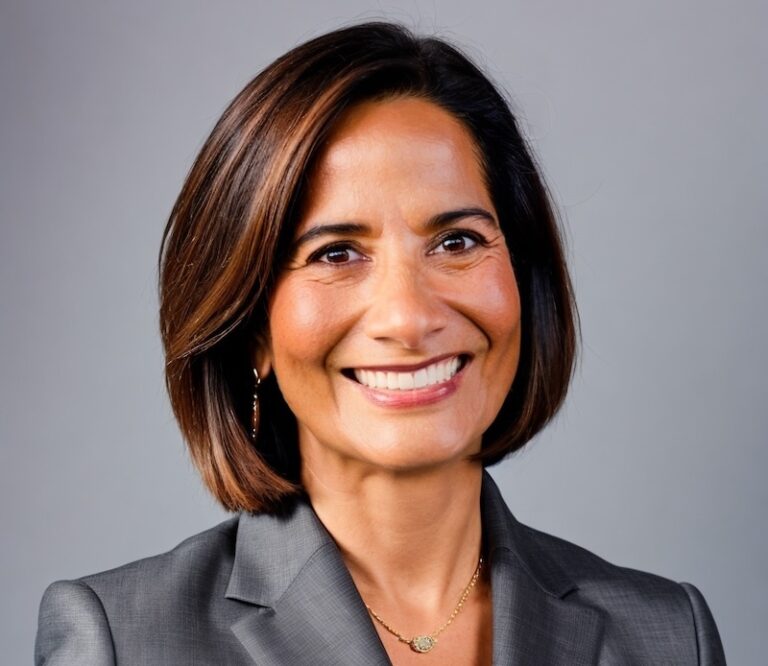
What should others know about ESVCF? We’re a small community foundation — about $350,000 in annual community grants and $18 million in endowed funds, roughly a third of which is unrestricted, the distributions from which form the core of our grantmaking — and I’m the organization’s sole employee, part-time. We’ve been around for 21 years, but this is an exciting time for ESVCF: our board is becoming increasingly engaged, with an active Grant Review Committee and Community Engagement and Philanthropy Committees that are beginning to coalesce around strategy. Also worth knowing: we’re an affiliate of the Hampton Roads Community Foundation.
Tell us about a project or an area of work you’re most excited about. This is a great opportunity to highlight some things going on within your organization.
We’ve become more visible and engaged in our community this past year. In 2025, we partnered with the local United Way and Chamber of Commerce to co-host our first nonprofit workshop, bringing in consultant Patrick Kirby of Do Good Better Consulting. The event was a big success — 80 nonprofit members attended, and in post-event surveys, 88% rated it 5 out of 5 and the rest rated it 4 out of 5. We’re bringing Patrick back this October, and this time we’ll add a board member boot camp, a funders panel, along with new updates on how nonprofits can successfully integrate AI and analog approaches for increased fundraising success.
Describe your philanthropic philosophy and how your philosophy shapes your work.
My path here has been anything but a straight line. I came to the U.S. as a young immigrant (my father is from Burma and my mother is from Germany) and after earning my MBA at the University of Virginia’s Darden School of Business, I began my career in international banking before spending most of the past 30-plus years in the nonprofit sector, in settings ranging from an international foundation focused on youth development to a local museum. That path has taught me to look for the through-line in very different contexts, and it shapes how I approach this work: I believe the best grantmaking starts with listening, and with trusting that the people closest to a community’s needs understand them best. My role is to make it as easy as possible for nonprofits to access support – through clear guidelines, an objective review process, and a board that’s genuinely engaged with the needs behind each request, not just social ties or the numbers on a page.
What else would you like your fellow funders to know?
Don’t be afraid to start small. We’re a community foundation with one part-time staff member, and even so, we’ve been able to build a grants process our community trusts and a board that’s genuinely invested. Progress doesn’t require a big staff; it takes clarity, consistency, and a willingness to keep improving.